What flowers do people give to their loved ones?
Giving flowers is not just a gesture of attention, but a language of emotions that allows you to express feelings without words. A properly chosen bouquet can convey love, tenderness, passion, or gratitude. It is important to understand the symbolism of flowers and their appropriateness in different situations.
1. The Symbolism of Flowers in Love
1.1 Roses — the classic of feelings
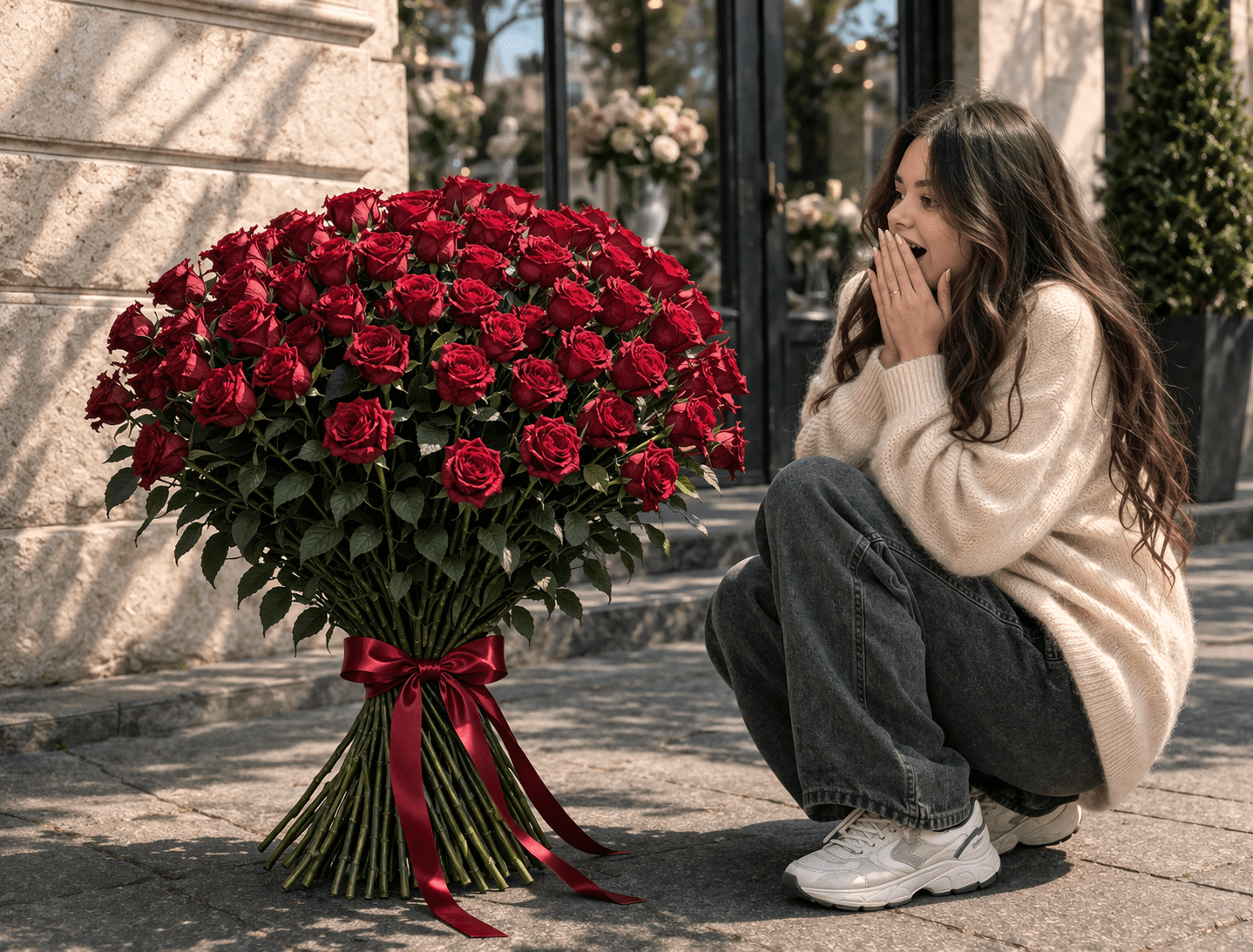
Roses are the most popular choice for lovers. Red ones symbolize deep love and passion, pink ones represent tenderness and admiration, while white ones stand for purity and sincerity of intentions. A bouquet of 101 roses is often given as a sign of serious feelings.
1.2 Peonies — romance and tenderness
Peonies are associated with happiness in relationships and harmony. They have a soft appearance and a pleasant fragrance, making them perfect for romantic moments or declarations of love.
1.3 Tulips — simplicity and sincerity
Tulips symbolize sincere feelings and a new stage in a relationship. Red ones mean love, yellow ones represent joy and warmth, while white ones symbolize apology or purity of intentions.
2. How to Choose Flowers for a Loved One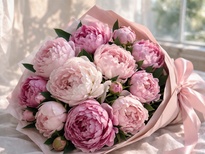
2.1 Considering personality and preferences
The choice of a bouquet should start with the person’s character. If they prefer classics — roses are a great option. If they value softness and natural beauty — peonies or ranunculus will be more suitable.
2.2 The meaning of color
Color plays a key role. Red means passion, pink means romance, and white represents sincerity. Choosing the wrong color can change the meaning of the gift, so this is important to consider.
2.3 The number of flowers in a bouquet
The number of flowers also has symbolism. An odd number is traditionally given for celebrations. Large bouquets (51, 101 flowers) emphasize seriousness of intentions and strong feelings.
3. When and What Flowers to Give
3.1 For special occasions
For anniversaries, Valentine’s Day, or important dates, luxurious bouquets such as roses, peonies, or designer arrangements are appropriate.
3.2 Without a reason — the most valuable
Flowers given without a reason are valued the most. A small bouquet of tulips or delicate flowers can evoke more emotions than an expensive gift.
3.3 For apology or support
White flowers or soft pastel shades are perfect for reconciliation. They symbolize sincerity, care, and the desire to maintain the relationship.
Flowers are a universal way to express love. What matters is not only which flowers you choose, but also the emotion behind them. Sincerity is always felt, and a well-chosen bouquet can make any moment truly unforgettable.
.jpg)